

On Sunday, 18 October 2026, the Victoria’s Secret Fashion Show took place in Los Angeles, bringing together some of the world’s most famous supermodels, glamorous lingerie, iconic angel wings, celebrity performances and a $50 million Fantasy Bra. The show created a buzz that went far beyond the fashion industry.
But what made the event so interesting was not just the models or the lingerie they wore. It was the marketing behind everything. Victoria’s Secret turned a fashion show into a global conversation, with people discussing the models, sharing runway moments and talking about the diamond-studded Fantasy Bra.
And this is where Victoria’s Secret understands something that many brands struggle with: the most powerful marketing is not always about telling people to buy your product. Sometimes, it is about making people talk about your brand.
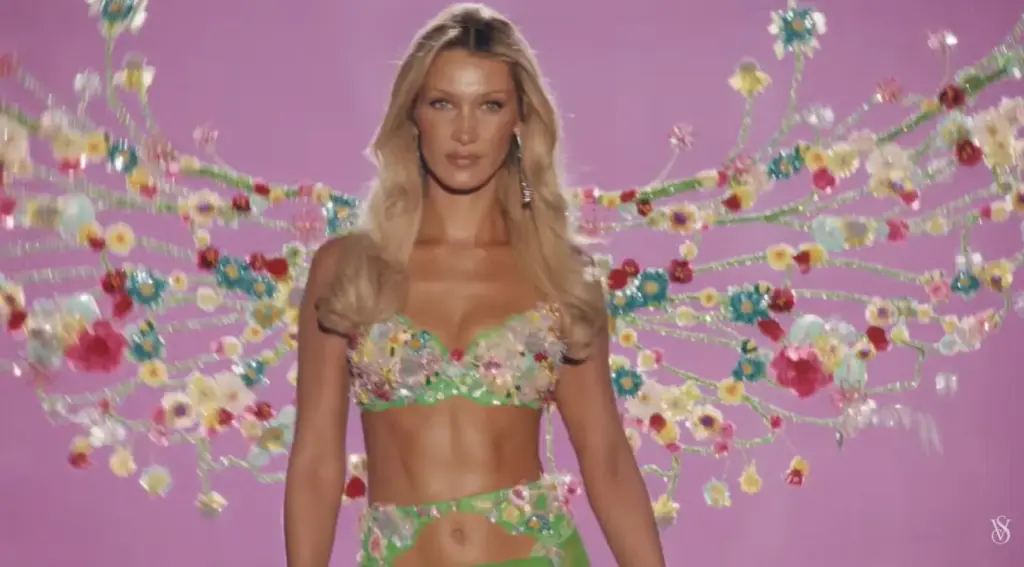
Call it buzz, word of mouth or publicity. When people willingly discuss your brand, you achieve something that traditional advertising alone often cannot. And one of the best ways to create this kind of attention is to make your brand part of popular culture.
The Victoria’s Secret Fashion Show 2026 offers some valuable marketing lessons, particularly for lingerie brands looking to build a strong identity and make their products more desirable.
So, let’s explore what Victoria’s Secret has done differently and what Indian lingerie brands can learn from its marketing strategy.
Marketing Lessons from Victoria’s Secret and Its Fashion Show
1. Create a Brand for Your Actual Customer
One of the most interesting things about Victoria’s Secret is that the brand we know today was originally created for a very different customer.
Victoria’s Secret was founded in 1977 by Roy Raymond and his wife, Gaye Raymond. According to the brand’s well-known founding story, Roy Raymond had an uncomfortable experience while shopping for lingerie for his wife at a department store. He noticed that the shopping environment was not particularly welcoming to men who wanted to purchase lingerie for their partners.
He saw an opportunity and created Victoria’s Secret as a lingerie store where men could feel comfortable shopping. The stores were designed with an elegant, Victorian-inspired atmosphere, creating a sense of privacy and sophistication. The idea was to make lingerie shopping a more comfortable experience for male customers.

However, things began to change when Leslie Wexner acquired Victoria’s Secret in 1982. Wexner recognised that while men might purchase lingerie as gifts, women themselves were the more important customers for building a large and sustainable lingerie business.
He shifted the brand’s focus towards women who wanted to purchase lingerie for themselves. The products, shopping experience and brand positioning increasingly reflected this new direction. This change helped Victoria’s Secret grow from a relatively small lingerie retailer into a major American retail brand.
The marketing lesson here is simple: understand who your actual customer is and build your brand around them. For an Indian lingerie brand, this is particularly important because not every customer purchases lingerie for the same reason.
Some women prioritise everyday comfort, while others look for premium designs, attractive styles, bridal lingerie, sports bras or products that address specific fitting requirements.
A brand targeting teenagers purchasing their first bras cannot communicate in exactly the same way as a premium lingerie brand targeting women looking for luxury products.
Your product photography, website, advertising, messaging, packaging and overall shopping experience should reflect the expectations of the customers you actually want to reach. Before deciding how to market your lingerie brand, understand who you are marketing it to.
2. Make Your Lingerie Desirable, Not Just Available
When someone mentions Victoria’s Secret, what comes to your mind? For many people, it is beautiful models wearing glamorous lingerie, walking down a runway with enormous angel wings while famous singers perform in the background.
That association is not accidental. Victoria’s Secret has spent years building a particular image around its products. Lingerie is something that almost every woman needs, but Victoria’s Secret has historically marketed it as something much more than an everyday necessity.
It has associated lingerie with fashion, glamour, beauty, confidence and aspiration. Consider the difference between seeing a bra displayed on an ordinary shelf and seeing the same product presented through a professionally styled photoshoot featuring an attractive model, beautiful lighting and an elegant setting.

The product itself may not have changed, but the way customers perceive it certainly can. Victoria’s Secret applies this thinking across its brand presentation. From its fashion shows and advertising campaigns to its store interiors, mannequins, product displays and packaging, everything contributes to how customers perceive the products.
The brand does not simply want customers to know that it sells lingerie. It wants customers to find that lingerie desirable. And this is something Indian lingerie brands should pay attention to.
If you are selling lingerie online, your customers cannot physically touch or try the products before purchasing them. Your product photography, videos, website design and presentation become especially important.
Investing in professional lingerie photoshoots featuring models who represent your target audience can help customers visualise how the products look when worn. You should also pay attention to styling, lighting, backgrounds, product close-ups and how your collection is presented on your website.
However, making lingerie desirable should not come at the cost of showing customers what they are actually buying. Clear size information, realistic product images, different body types and accurate product descriptions are equally important.
The goal is to make your products look attractive while giving customers the confidence to purchase them. A good product is important, but how you present that product can make an enormous difference to how people perceive your lingerie brand.
3. Create Something Unique That People Associate with Your Brand
Perhaps the greatest marketing achievement of Victoria’s Secret is its fashion show. Today, the Victoria’s Secret Fashion Show is recognised around the world for its supermodels, lingerie, extravagant runway designs, wings and musical performances.
But this association did not develop overnight. The first Victoria’s Secret Fashion Show took place at the Plaza Hotel in New York City in 1995. It was a relatively modest event compared with the grand productions that followed.
Over time, the brand transformed the show into a major entertainment event, bringing together some of the world’s most recognisable models and musicians.
Models such as Adriana Lima, Gisele Bündchen, Heidi Klum, Tyra Banks and Alessandra Ambrosio became closely associated with the Victoria’s Secret Angels.
The angel wings themselves became one of the brand’s most recognisable symbols. What makes this interesting from a marketing perspective is that Victoria’s Secret created something that belonged to its brand identity.
When people see a glamorous model walking in lingerie with elaborate angel wings, many immediately think of Victoria’s Secret.
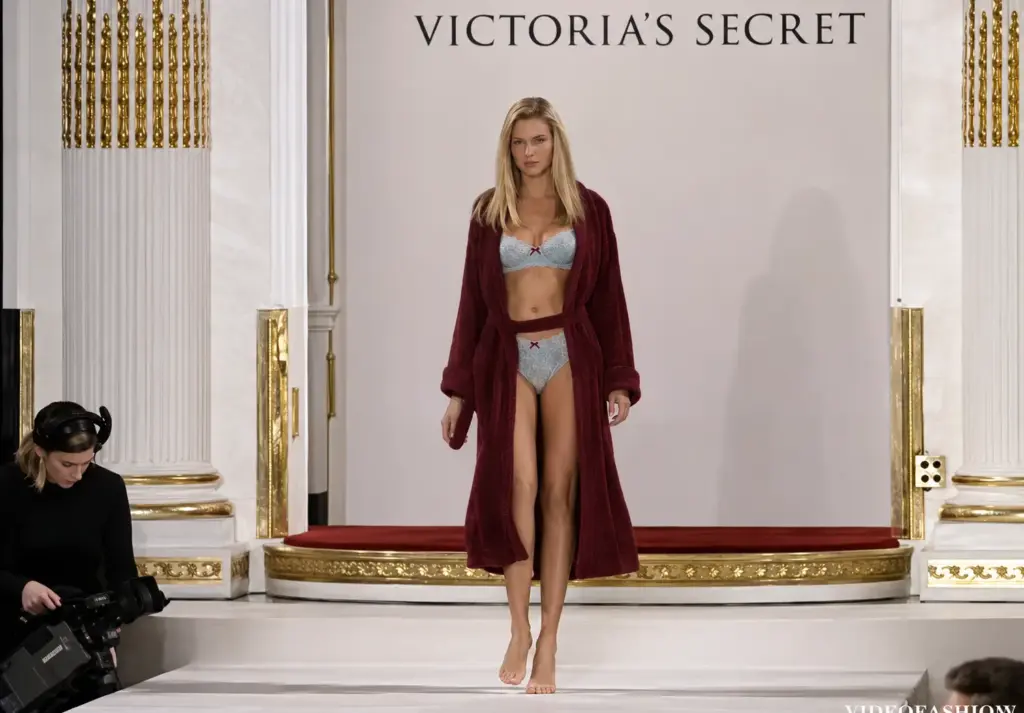
That is the power of creating something distinctive. There are hundreds of lingerie brands selling bras, panties and other innerwear products. Many of them use attractive models, professional photography and stylish advertising campaigns.
But how many have created a marketing property that people immediately associate with their brand? For Victoria’s Secret, the fashion show became exactly that. And an Indian lingerie brand can learn from this without organising an expensive international fashion show.
You could create a signature annual campaign, a distinctive visual style, a recurring collaboration with fashion creators, a bridal lingerie showcase or a campaign celebrating different aspects of women’s fashion and lifestyles.
What matters is that your brand creates something recognisable and consistently builds upon it. If your marketing looks exactly like every other lingerie brand’s marketing, customers have very little reason to remember you.
Creating something unique gives people a reason to recognise your brand even when they are not actively shopping for lingerie.
4. Give People Something Worth Talking About
One of the biggest challenges in marketing is getting people to talk about your brand without constantly paying to put your message in front of them. Victoria’s Secret has repeatedly used its fashion shows to create moments that attract attention beyond the lingerie industry.
In previous fashion shows, the brand brought major pop stars onto the runway, combining musical performances with its models and fashion presentations.
This helped transform what could have been an ordinary fashion event into entertainment content that appealed to a much wider audience.
The 2026 Victoria’s Secret Fashion Show took this approach even further. One of the biggest talking points was the return of the famous Fantasy Bra, created in collaboration with luxury jewellery brand Jacob & Co.

The bra was valued at an astonishing $50 million and featured 4,410 natural diamonds, including a 75.54-carat yellow diamond. It reportedly took 15 craftspeople more than 1,000 hours to create. And Kylie Jenner wore this extraordinary piece on the runway.
Think about the marketing possibilities created by this single moment. You have one of the world’s most recognisable celebrities, a $50 million diamond-studded lingerie piece, a collaboration with a luxury jewellery brand and a globally recognised fashion show.
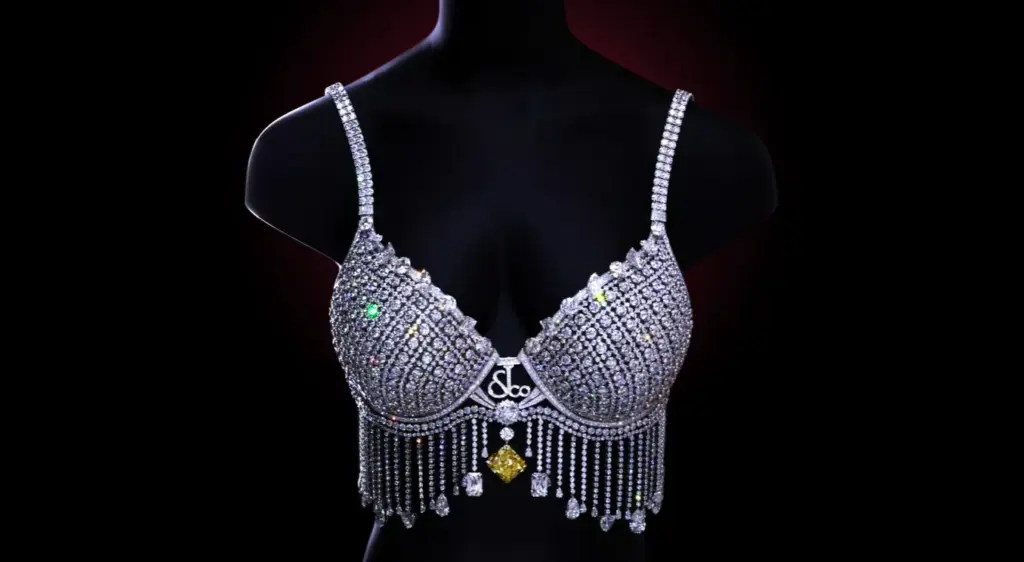
Fashion magazines have a story to publish. Entertainment publications have a celebrity moment to cover. Social media users have something unusual to discuss. Fans have photographs and videos to share. The Fantasy Bra became a newsworthy moment in itself.
And that is precisely what makes the collaboration so interesting from a marketing perspective. Victoria’s Secret did not need the average customer to purchase a $50 million bra. The piece existed primarily as a spectacle that could attract attention to the brand and its fashion show.
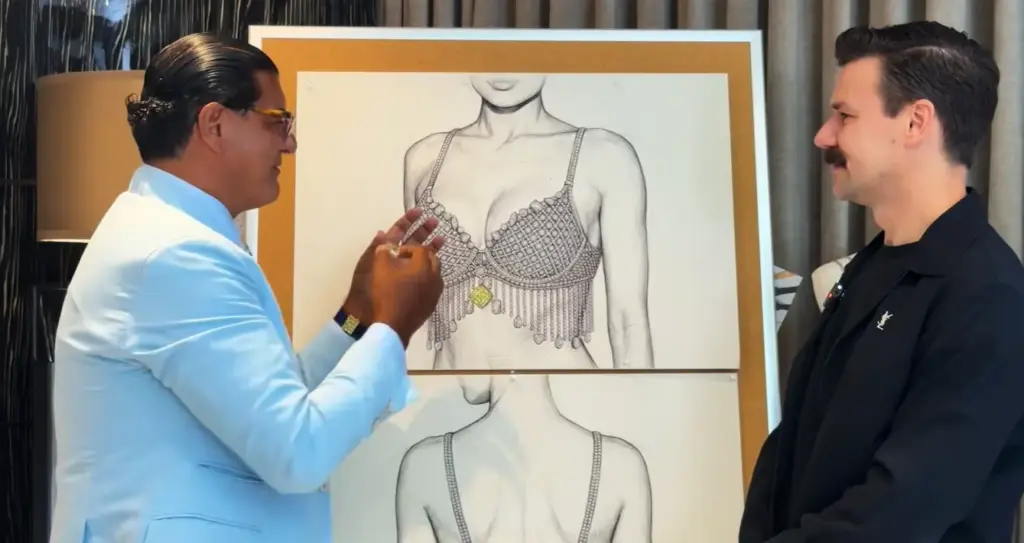
This is an excellent example of creating something with publicity value beyond its commercial value. For Indian lingerie brands, the lesson is not to manufacture a bra worth crores of rupees. The lesson is to create something interesting enough for people to notice and discuss.
For example, a lingerie brand could collaborate with an Indian fashion designer to create a limited-edition collection, work with an emerging actress on a memorable campaign or launch a creative concept around bridal lingerie.
Even a well-executed campaign with an unexpected idea can attract attention if it connects with the right audience. Instead of always asking how you can advertise your product, start asking what you can create that people would genuinely want to talk about. That shift in thinking can lead to much more interesting marketing opportunities.
5. Turn Your Marketing into Entertainment
Most brands treat marketing as an activity that interrupts what people are already doing. Someone is watching a video, and an advertisement appears. Someone is scrolling through Instagram, and a sponsored product post comes up.
There is nothing inherently wrong with this kind of advertising. In fact, paid advertising is an important part of digital marketing. But Victoria’s Secret demonstrates another approach.
Instead of making people watch an advertisement for lingerie, it creates an event that people may actually want to watch. The fashion show brings together music, celebrities, fashion, elaborate sets, storytelling and beautiful runway presentations.
The lingerie remains an important part of the event, but the audience is also watching for entertainment. The 2026 show featured performances by artists including Tate McRae, Megan Thee Stallion, KATSEYE and Megan Moroney.
These performances gave audiences additional reasons to watch and discuss the show, including people who may not have been particularly interested in purchasing lingerie.
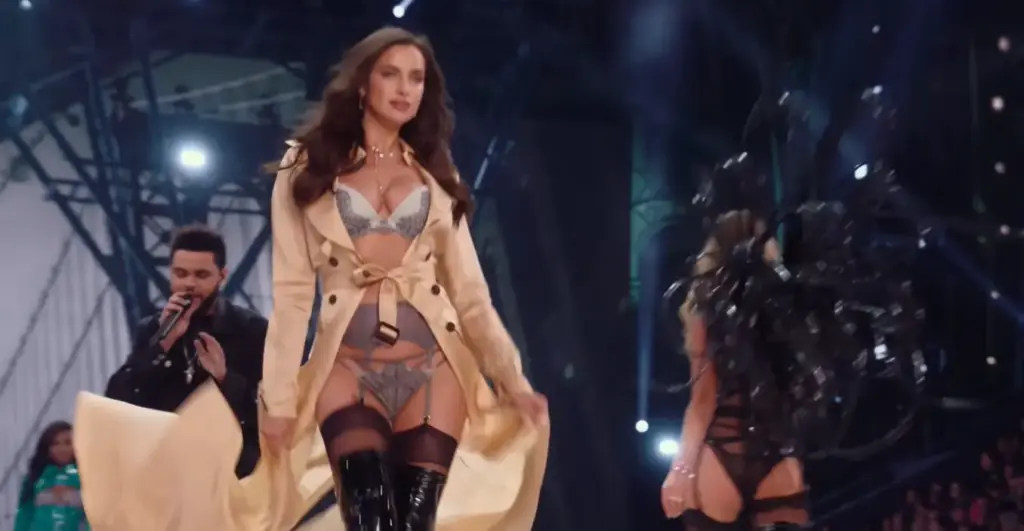
This is what makes entertainment-led marketing so powerful. When your marketing becomes something people enjoy watching, they may voluntarily spend time engaging with your brand.
And the beauty of creating an event like this is that the marketing opportunity does not necessarily end when the event finishes.
Runway moments can become Instagram Reels. Celebrity appearances can become short videos. Behind-the-scenes footage can become additional social media content. Fashion publications can continue discussing the event.
Victoria’s Secret can turn one major show into multiple pieces of content distributed across different platforms. Indian lingerie brands can use the same principle on a smaller scale.
You can create interesting behind-the-scenes videos from your photoshoots, collaborate with fashion influencers, produce creative collection launches or develop entertaining social media campaigns.
Instead of making every post an attempt to sell a bra, give your audience content that they find interesting, enjoyable or useful.
The best brand content often does not feel like an advertisement, even when it serves a clear marketing purpose. If people enjoy your content, they have a reason to engage with your brand beyond discounts and promotional offers.
6. Create a Sense of Exclusivity Around Your Brand
Making a product desirable is one thing. Making people feel that the product is rare, special or difficult to obtain can create another level of attraction.
Luxury brands have understood this for decades. Consider Rolex. Part of its appeal comes from its reputation, craftsmanship, history and the limited availability of certain highly sought-after watches.
When a product is difficult to obtain, that scarcity can become part of its desirability. Victoria’s Secret has used a similar principle through its Fantasy Bra in the fashion show.
The $50 million Fantasy Bra featured in the 2026 show was not created to become an everyday lingerie product that customers could simply add to their shopping carts.
It was a one-of-a-kind, highly extravagant statement piece designed to represent glamour, luxury and exclusivity. Most customers would never be in a position to purchase something like it, and that is not the point.
The Fantasy Bra creates a sense of extraordinary luxury around the Victoria’s Secret name, even though the brand’s regular products are available at much more accessible prices.
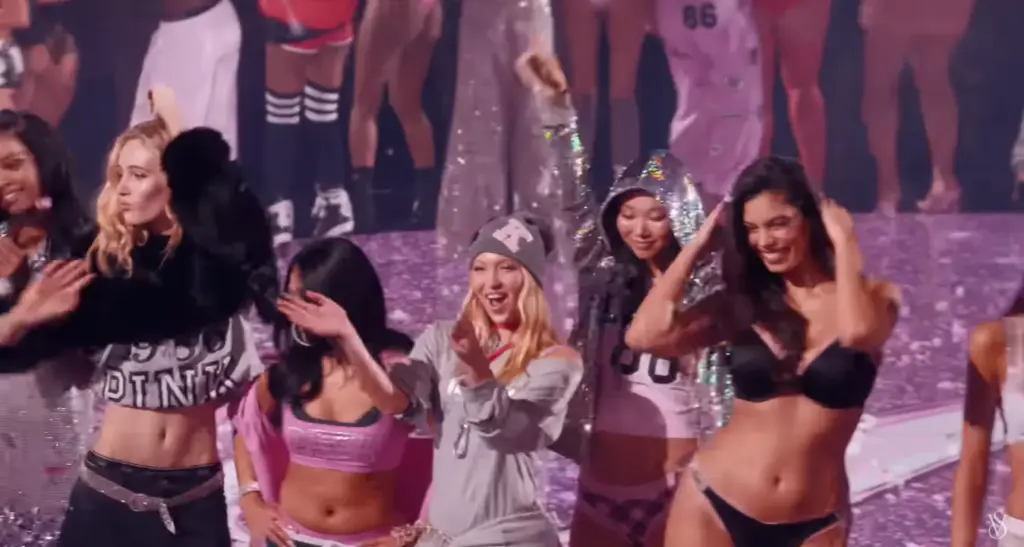
This is an interesting form of aspirational marketing. A spectacular product attracts attention and can influence the perception of the broader brand.
Indian lingerie brands can experiment with a similar approach through limited-edition collections, exclusive designs, premium packaging, designer collaborations or special launches.
For example, a lingerie brand specialising in bridal collections could introduce a premium limited-edition range with distinctive designs and luxurious packaging.
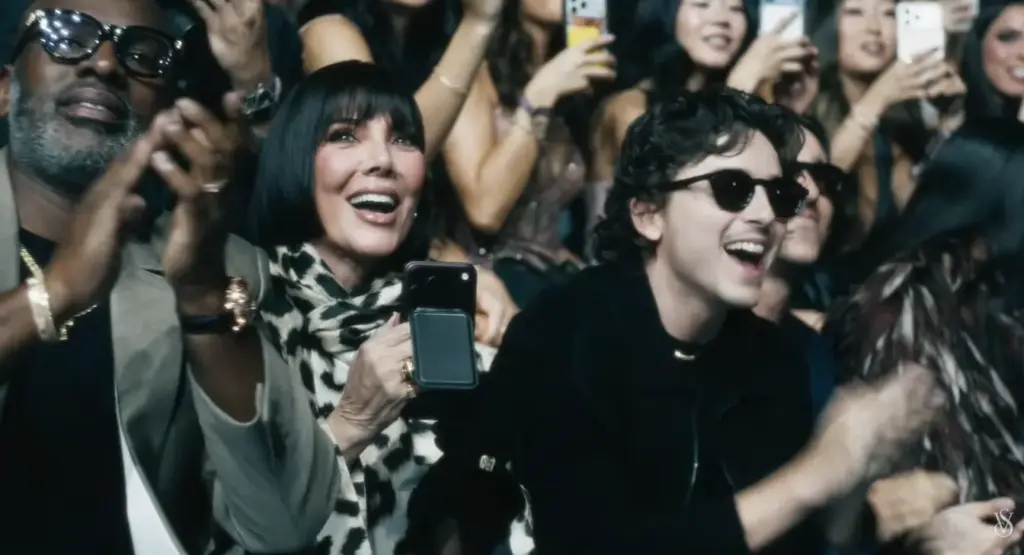
A brand could also create an exclusive collaboration with a fashion designer or launch a small collection available only for a particular season.
However, exclusivity must be genuine. Simply claiming that a product is limited when it is not can damage customer trust. And there is an important distinction between making a product feel exclusive and making customers feel excluded.
Your brand can create aspiration through special products while keeping its everyday collections accessible and relevant to its actual customers. That balance is especially important for a growing lingerie brand.
7. Be Bold: Controversy Can Make Your Brand Stand Out
We live in a world where beauty alone is not always enough to attract attention. Sometimes, what people consider controversial, unconventional or even inappropriate becomes the very thing that gets everyone talking.
In his book Beauty: A Very Short Introduction, philosopher Roger Scruton explores how modern art and culture have increasingly embraced shock, transgression and provocation, sometimes at the expense of traditional ideas of beauty. His observations offer an interesting perspective on how attention works in modern marketing.
Victoria’s Secret understood the power of being bold. When the brand began organising its fashion shows in 1995, it took something traditionally considered intimate—women’s lingerie—and turned it into a glamorous public spectacle. Beautiful supermodels walking the runway in sensual lingerie, elaborate wings and extravagant outfits made the show different from conventional fashion events.
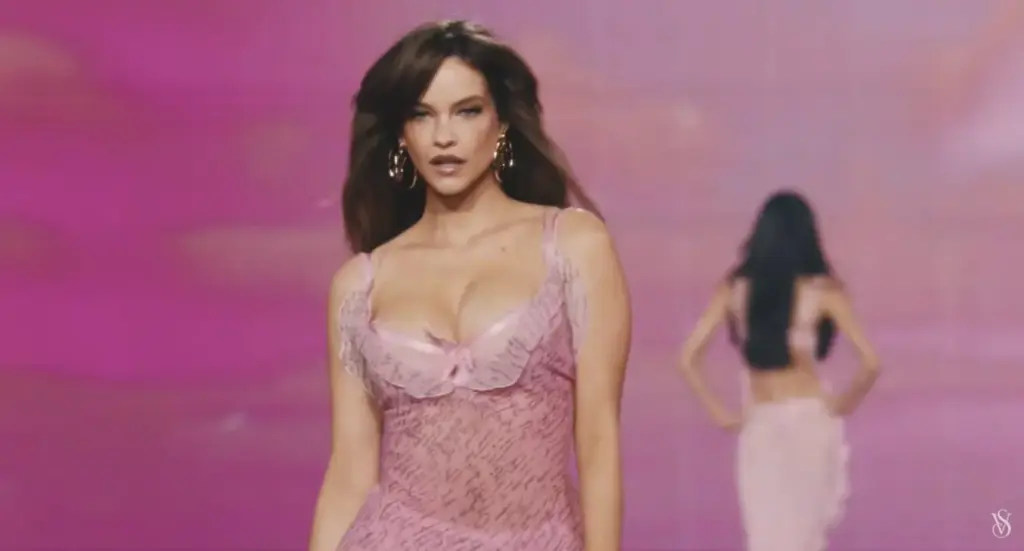
The concept was bold because lingerie was not traditionally presented on such a grand public stage. And while Victoria’s Secret eventually faced criticism over its portrayal of women and narrow beauty standards, its provocative brand image also helped make its fashion shows instantly recognisable.
This is where the marketing lesson becomes interesting. Being bold can attract attention, and controversy can create conversations, but attention alone does not guarantee long-term brand success. Victoria’s Secret itself learned this when changing customer expectations and criticism of its marketing contributed to the company rethinking its famous fashion show.
For Indian lingerie brands, the lesson is not to create controversy simply to gain publicity. It is to be confident enough to challenge conventions and do something different from competitors.
Whether it is a bold campaign, an unconventional photoshoot or a fresh approach to how lingerie is presented, a brand that is willing to stand out has a better chance of being remembered.
Because sometimes, the biggest risk in marketing is not being controversial. It is being so ordinary that nobody notices your brand.
What Indian Lingerie Brands Can Learn from Victoria’s Secret
Many lingerie brands aspire to achieve the recognition and success that Victoria’s Secret has built over the decades. But what they often overlook is that Victoria’s Secret did not become a global brand overnight. It took years of understanding its customers, developing its brand identity and investing in marketing that made it stand out from competitors.
And this is something Indian lingerie brands should understand. You can learn from Victoria’s Secret, but you should not try to become another Victoria’s Secret.
The Indian lingerie market is very different from the Western market. Customer preferences, shopping habits, cultural attitudes and purchasing power vary significantly. Even within India, what appeals to a young woman shopping for fashionable lingerie in Mumbai may be very different from what a customer in a smaller city expects from an innerwear brand.
This creates an interesting opportunity for Indian lingerie brands. Rather than following the same marketing approach as international brands, they can build their identity around the needs and preferences of Indian customers.
For example, many Indian women still face challenges in finding the right bra size, understanding different lingerie styles or shopping for innerwear comfortably. A lingerie brand that addresses these problems through educational content, better product information, accessible customer support and a convenient shopping experience can develop a meaningful connection with its customers.
There is also an opportunity to build trust, something especially important when selling intimate products online. Clear sizing guides, realistic product photography, genuine customer reviews, discreet packaging and transparent exchange policies can make customers more comfortable purchasing from a relatively unfamiliar brand.
And while attracting new customers is important, lingerie brands should also focus on giving existing customers reasons to return. A woman who finds a comfortable, well-fitting bra is likely to value being able to purchase the same product again. Consistent quality, reliable sizing and a good post-purchase experience can help turn a first-time buyer into a repeat customer.
Because building a successful lingerie brand is not just about creating demand. It is also about delivering an experience that makes customers trust your brand and come back to it.
Victoria’s Secret may have built much of its recognition through glamorous fashion shows and celebrity-driven marketing, but Indian lingerie brands have opportunities to create their own competitive advantages through customer understanding, product innovation and a better shopping experience.
Ultimately, the goal is not to recreate the Victoria’s Secret Fashion Show on a smaller budget. It is to understand what made Victoria’s Secret successful and apply those principles in a way that makes sense for your own customers, products and market.
And that is where the right combination of branding, customer experience and digital marketing can make a difference.
How INKLIK Can Help Your Lingerie Brand Grow
At INKLIK, we believe that marketing a lingerie brand should involve much more than uploading product photographs on Instagram or running advertisements offering discounts.
These activities can certainly help generate sales, but building a brand requires a more complete approach.
Your brand positioning, product photography, website, social media content, influencer collaborations, SEO and advertising should all work together to create a consistent identity.
For example, if you want to position your lingerie brand as premium and desirable, your website should reflect that positioning. Your product photography should communicate the same image, your social media content should support it, and the creators you collaborate with should appeal to your target customers.
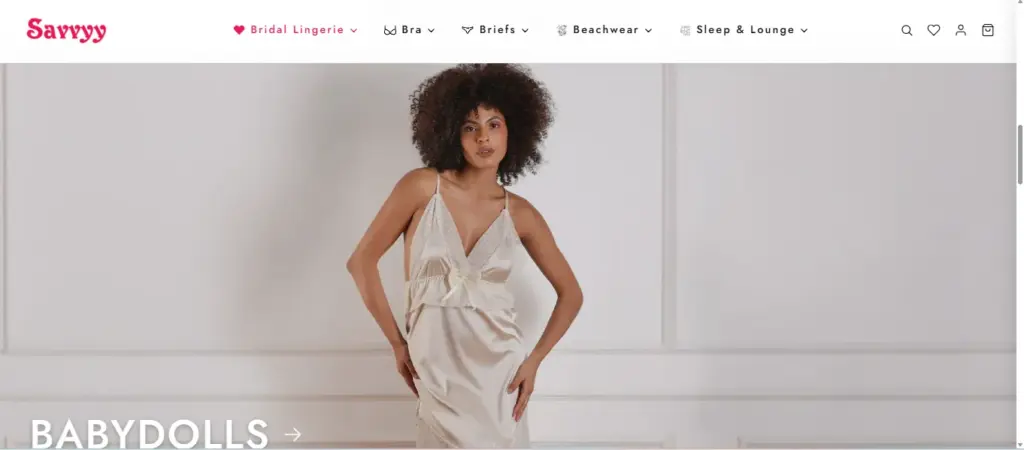
If your brand focuses on comfort and everyday innerwear, your marketing should communicate the features, benefits and customer experiences that matter most to that audience.
At INKLIK, we have worked with lingerie and innerwear brands including Savvyy, Ingrid and Teenager Bra. Our work in this category has involved activities such as website development, digital advertising, influencer marketing, brand awareness and other aspects of digital marketing.
Depending on your brand’s requirements, we can help you with:
- Brand positioning and marketing strategy: Understanding your target customers and developing a digital marketing approach that supports your brand identity.
- Professional product photoshoots and creative campaigns: Creating attractive visual content that presents your lingerie products effectively.
- Website development and ecommerce marketing: Building and improving websites that make it easier for customers to discover, understand and purchase your products.
- Social media marketing: Developing content and campaigns that help people recognise and engage with your brand.
- Influencer and celebrity collaborations: Identifying relevant creators, models and personalities who can help introduce your brand to the right audience.
- SEO and content marketing: Improving your organic visibility through relevant search optimisation and informative content.
- Google Ads and social media advertising: Reaching potential customers and creating campaigns focused on awareness, website traffic and sales.
We understand that not every lingerie brand has the budget to organise elaborate fashion shows or collaborate with internationally famous celebrities.
But effective marketing is not always about having the biggest budget. It is about understanding your customers, identifying the right opportunities and executing ideas that make sense for your business.
A growing Indian lingerie brand can start with professional product photography, a well-designed website, a consistent social media identity and carefully selected influencer collaborations.
As the brand grows, it can explore more ambitious campaigns, creative partnerships and unique brand experiences. The important thing is to build a marketing strategy that supports your long-term brand identity rather than relying entirely on short-term promotional activities.
If you are looking for a digital marketing agency that understands the lingerie and innerwear category, INKLIK can help you plan and execute a strategy suited to your brand and business goals.
Conclusion
The Victoria’s Secret Fashion Show 2026 was much more than an event where famous models walked a runway wearing beautiful lingerie.
It demonstrated how a brand can combine fashion, entertainment, celebrities, product presentation, luxury and publicity to create conversations around its identity.
From repositioning the business around its actual customers to creating the iconic Angels, introducing the Fantasy Bra and turning a fashion show into a globally recognised event, Victoria’s Secret offers several valuable marketing lessons.

But the biggest lesson is not that every lingerie brand should organise a fashion show or hire famous models. It is that successful brands give people something to remember, something to desire and something to talk about.
For Indian lingerie brands, the opportunity lies in taking inspiration from these ideas while creating something original for their own audience.
Because ultimately, the goal should not be to become the next Victoria’s Secret. The goal should be to build a lingerie brand that people recognise, remember and want to buy from.
And with the right combination of branding, creativity and digital marketing, that is something worth working towards.
Want to build a stronger identity for your lingerie brand? Get in touch with INKLIK to discuss how we can help you grow your brand through digital marketing.
Frequently Asked Questions About Lingerie Brand Marketing in India
1. What makes Victoria’s Secret’s marketing strategy so successful?
Victoria’s Secret has built a recognisable brand identity by combining glamorous product presentation, supermodels, celebrity collaborations and entertainment-driven marketing. Its famous fashion shows turn lingerie collections into major fashion events, generating publicity and conversations that extend beyond traditional advertising. The brand’s ability to make its products desirable and remain part of popular culture has played an important role in its global recognition.
2. What can Indian lingerie brands learn from Victoria’s Secret’s marketing strategy?
Indian lingerie brands can learn the importance of understanding their target customers, creating a distinctive brand identity and investing in attractive product presentation. While Victoria’s Secret uses elaborate fashion shows and international celebrities, Indian brands can apply similar principles through creative photoshoots, influencer collaborations, social media campaigns and memorable customer experiences. The goal should be to create an original brand identity rather than simply copy Victoria’s Secret.
3. Which are some of the leading lingerie brands in India?
Some well-known lingerie and innerwear brands in India include Zivame, Clovia, Enamor, Amante, Jockey, Triumph, Wacoal and Shyaway. These brands serve different customer segments, from affordable everyday innerwear to premium lingerie. Their different approaches to product positioning, ecommerce, retail distribution and customer communication offer useful examples for emerging Indian lingerie businesses.
4. How can a new lingerie brand grow in India?
A new lingerie brand in India should begin by identifying its target customers and developing a clear brand positioning. A professional ecommerce website, high-quality lingerie product photography, accurate sizing information and engaging social media content can help establish the brand. SEO, influencer marketing, Google Ads and Meta Ads can then help attract potential customers. Maintaining product quality and a good shopping experience is equally important for encouraging repeat purchases.
5. What is the best digital marketing strategy for a lingerie brand?
The best digital marketing strategy for a lingerie brand depends on its products, target customers, positioning and budget. A combination of SEO, social media marketing, influencer collaborations, ecommerce website optimisation and performance advertising can help improve visibility and generate sales. Premium lingerie brands may benefit from aspirational campaigns, while everyday innerwear brands may find comfort-focused messaging, educational content and customer testimonials more effective.
6. How can lingerie brands use influencer marketing to increase sales?
Lingerie brands can collaborate with fashion, beauty and lifestyle influencers whose audiences match their target customers. Influencers can introduce products through styling videos, product reviews, collection launches and other relevant content. Rather than choosing creators based only on follower counts, lingerie brands should consider audience relevance, credibility, engagement and content quality. Tracking website visits, promotional codes and conversions can also help evaluate campaign performance.
7. How can SEO help a lingerie ecommerce website attract more customers?
SEO helps lingerie brands improve their visibility when potential customers search online for products such as cotton bras, bridal lingerie, sports bras, comfortable everyday bras and premium lingerie sets. Optimising product pages, category descriptions, website structure and educational blog content can attract relevant organic traffic. For an online lingerie business, a well-planned SEO strategy can also reduce dependence on paid advertising over time.
8. How can INKLIK help with digital marketing for lingerie brands in India?
INKLIK is a digital marketing agency in India that works with lingerie and innerwear brands to strengthen their online presence and support business growth. Our services include Shopify website development, lingerie product photoshoots, SEO, social media marketing, influencer collaborations, Google Ads and Meta Ads. Having worked with lingerie brands such as Savvyy, Ingrid and Teenager Bra, we understand the importance of combining attractive brand presentation with digital marketing strategies tailored to the Indian lingerie market.