
In any business, four things matter most: your product or service, its price, your visibility to potential customers, and the trust your brand can generate. These elements work together to drive sales and ensure growth. If any one of them is lacking, your business risks losing valuable leads and conversions. In today’s digital-first world, one tool supports all four of these pillars: a website.
Did you know there are over 1.3 billion websites worldwide, and more than 70% of businesses have their own? The remaining 30% or so still don’t, which is surprising, considering that research consistently shows most customers do online research before making a purchase decision.
So, do businesses need a website? The answer is yes, unless you’re one of the rare exceptions operating entirely offline in a hyper-local market with zero online presence. But for most businesses, especially those that want to scale, compete, and be taken seriously, a well-built website is not optional. Let’s dive into why.
Why Are Websites Important for Businesses?
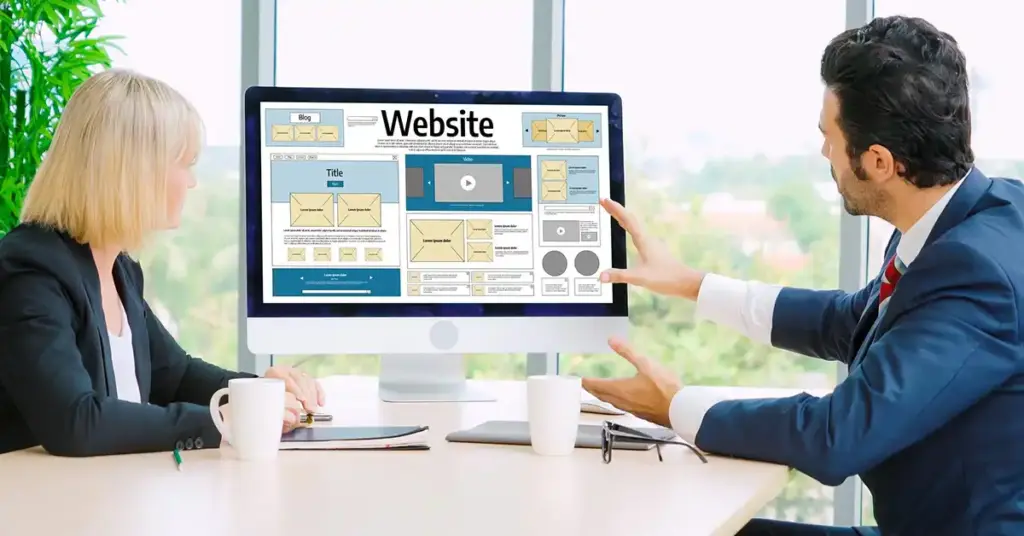
Today’s consumers are informed and skeptical. They don’t just hear about a business and buy, they verify. They Google. They cross-check. And what do they expect to find first? Your website.
Your website is your digital storefront. It’s often the first real interaction people have with your brand. Unlike a physical store, your website is accessible anytime, anywhere. It’s how people judge your legitimacy, learn about your products or services, and decide whether to engage with your business. Let’s revisit the four key areas a website strengthens.
1. Visibility

More than 60% of consumers perform online research before making a purchase. If you aren’t showing up online, you don’t exist in their eyes.
No matter how great your product is or how prime your shop location may be, it’s irrelevant if potential customers can’t find you when they search online. A website ensures that you’re discoverable 24/7, locally, nationally, or globally.
With SEO (Search Engine Optimization), your website helps you appear in search results, maps, directories, and more. It becomes the first handshake between your brand and your audience.
2. Product or Service Clarity
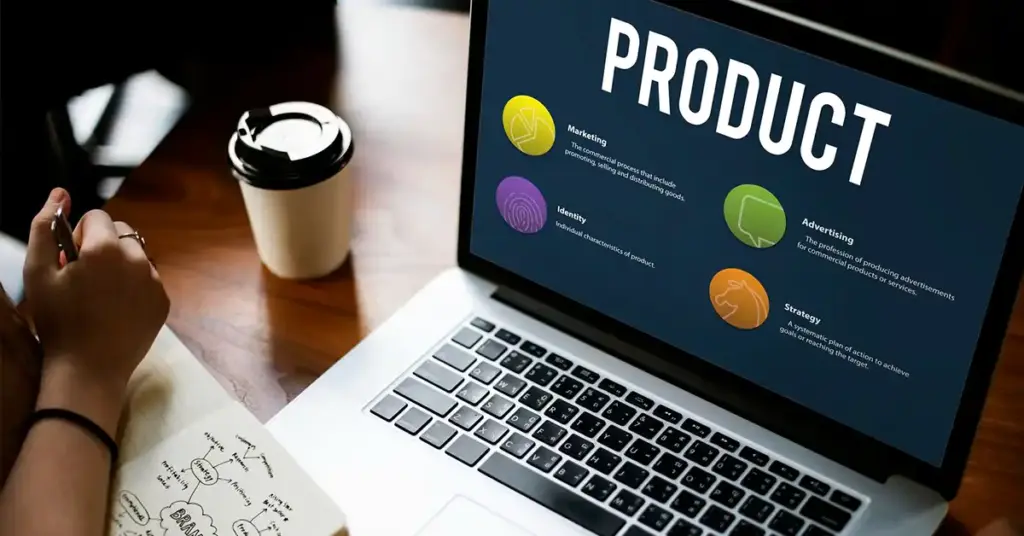
Once someone lands on your website, they want answers:
- What do you offer?
- What are the features and benefits?
- Are there size, color, or customization options?
- What’s the warranty or service guarantee?
Your website allows you to showcase this information clearly and visually through product images, videos, demos, specifications, and FAQs.
3. Pricing Transparency
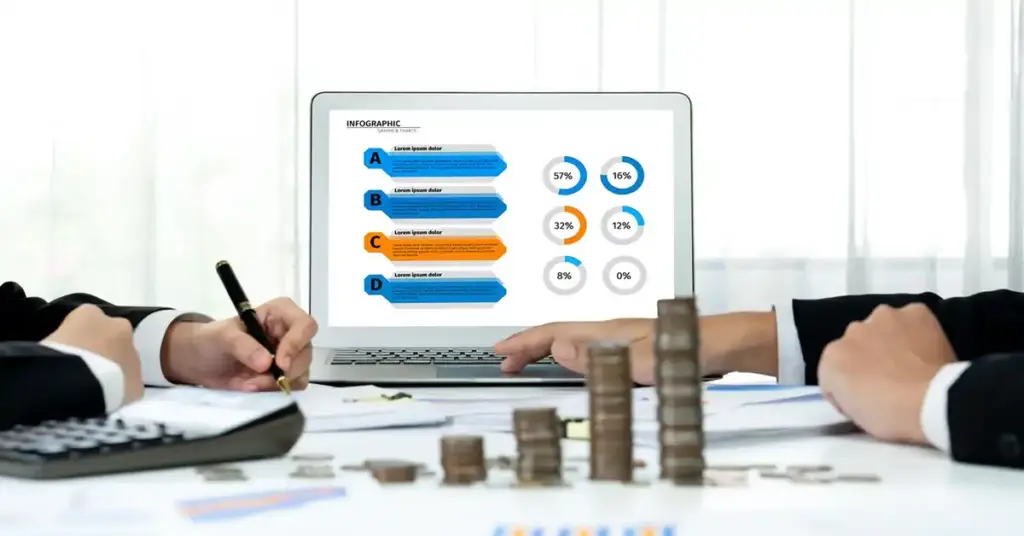
Customers don’t just want to know what you offer, they want to know how much it costs and whether it’s worth it. A lack of clear pricing often leads to hesitation, confusion, or complete drop-off.
Your website should communicate your pricing model with zero ambiguity:
- Do you offer fixed prices?
- Is there a “request a quote” option for bulk or custom orders?
- Are there tiered subscription plans or service levels?
Clear, upfront pricing builds trust and speeds up decision-making. It also filters out unqualified leads, saving both your time and your customers’.
4. Trust and Credibility

A professional-looking website builds instant trust. It tells customers: “We’re serious about what we do.” But trust goes deeper than design.
Your website should include:
- Testimonials or reviews (text or video) from satisfied customers
- Partner and client logos that show who you’ve worked with
- Awards, certifications, and compliance badges (e.g., ISO, ISI, GMP, FDA-approved)
- Company story and values: Share your mission, journey, and the people behind your brand
- Clear processes: Show how products are made, services are delivered, and support is handled
People want to know who they’re buying from. The more you reveal about your credibility and consistency, the more trustworthy your brand becomes.
5. Conversions: Sales and Leads
The four elements above, visibility, clarity, trust, and transparent pricing, ultimately lead to what matters most: conversions.
Your website is your most scalable and tireless salesperson. If you run an e-commerce business, it allows customers to buy instantly. If you’re in services or B2B, it captures qualified B2B leads through tools like:
- Contact forms
- Callback requests
- Quote submission options
- Live chat or support widgets
- Lead magnets or email campaigns
- Booking or demo request forms
- Click-to-call buttons or prominently displayed mobile numbers
The easier it is for people to reach you or take action, the more likely they are to convert. Whether you’re closing a sale or generating interest, your website works 24/7, so you don’t have to.
What Makes a Website Effective?
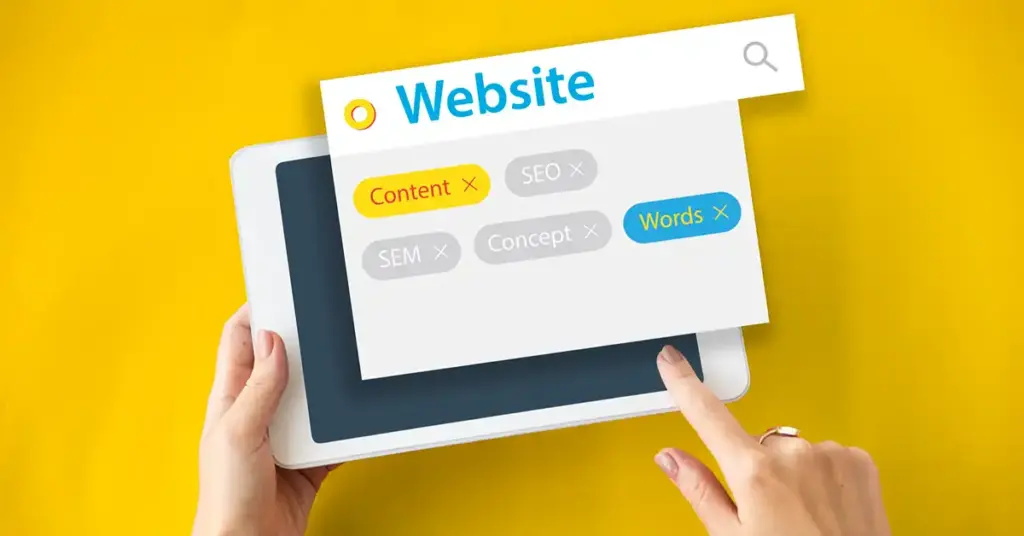
Just having a website isn’t enough. Many businesses create a site just to “tick the box” and end up with something that confuses or repels potential customers. To work well, your website must be:
1. Visually Appealing and Functional
It should have:
- Quality images and media
- Clean layout and modern design
- Functional features (purchase buttons, quote forms, subscription tools, etc.)
- Clear navigation: Menus, categories, email, number and links should be intuitive and help users find what they’re looking for fast
For example, if you sell wholesale products, your site should include an option to request a bulk quote. If you’re subscription-based, your plans and offerings must be clearly listed. Did you know that website design influences 94% of potential customers’ first impressions? They start forming that impression the moment your site begins to load, and it happens within just 50 milliseconds to 3 seconds. If the design is good, they form a positive impression, if not, it’s negative, and they’ll leave your website and most probably won’t return. Slow image loading causes 39% of users to lose interest in your website. They won’t wait to see what it offers, they just leave, which isn’t good.
2. Structured and Clear
Great content is worthless if it’s poorly structured. Proper use of spacing, section hierarchy, font sizes, image placement, layout design, and logical navigation ensures visitors easily understand your message. The moment visitors feel confused, they leave. Clarity keeps them engaged. You know that a great UX design of a website can drive conversion rates by up to 400%.
3. Informative
Other than all the basic and important information, your site should also answer key customer questions:
- What happens after I purchase?
- What if I want a refund?
- How do I cancel or return?
- How long does delivery take?
Transparency builds confidence. If the info is missing, the trust is, too.
4. Mobile-Responsive and Fast
With over 70% of users browsing on mobile, your website must perform well across all devices. A site that looks good on desktop but breaks on mobile is a liability.
Problems like misaligned text, hard-to-click buttons, slow loading, and broken layouts drive users away. Your website must load quickly and adapt seamlessly across desktop, tablet, and smartphones. Around 62% of top-ranking websites are fully optimized for mobile devices, meaning they load fast, look good, and work smoothly on phones and tablets.
5. Search Engine Optimization (SEO)
Having a website is important, but if it’s not optimized for search engines, it won’t be found by the people who are looking for what you offer. SEO (Search Engine Optimization) is what helps Google, Bing and other search engines understand your website content and decide when to show it in search results.
For example, if you’re in the steel business and someone searches for “steel manufacturers near me” or “best steel suppliers in [your city],” your website should ideally appear. But that only happens if your site has:
- Relevant keywords in the content
- Proper meta tags and titles
- Fast loading speed
- Mobile responsiveness
- Structured data and clean URLs
Without SEO, even a great-looking website can remain invisible online. Basic on-page SEO helps your site show up for the right searches, so potential customers can actually find you. You know retailers worldwide lose $2.6 billion annually due to slow websites and you do not want to have a website which is slow.
Benefits of Having a Website for Your Business
1. Improves Brand Visibility: In today’s digital age, people search online before making most purchasing decisions. Without a website, your business simply doesn’t show up. A website acts as your digital home, available 24/7, where potential customers can find out who you are, what you offer, and how to reach you. With strong SEO (Search Engine Optimization), your website can rank on Google Search, Google Maps, and other listings, making you easy to find whether someone’s down the street or across the world.
2. Enhances Professional Credibility: First impressions matter. A modern, well-designed, and easy-to-navigate website signals that you take your business seriously. It tells visitors you’re reliable, competent, and established. Even if you’re a small or growing company, your website can make you look like a major player, often matching or even outshining much bigger competitors.
3. Builds Trust Through Transparency: Trust comes from being seen and understood. A good website builds that trust by displaying customer testimonials, partner/client logos, certifications like ISO or ISI, and awards. It also allows you to showcase your company’s story and values, explain your processes, and outline policies clearly, so visitors know exactly what to expect when they engage with you.
4. Generates High-Quality Leads: A website doesn’t sleep. With lead forms, quote requests, newsletter sign-ups, live chat, and callback tools, it works round-the-clock to collect serious inquiries. It also lets you filter casual visitors from high-intent prospects, saving your time and increasing conversion efficiency. Integration with email marketing or CRM tools makes follow-ups smoother and smarter.
5. Boosts Sales and Conversions: Your website isn’t just an information source, it’s a sales engine. Whether it’s an online store or a service-based business, features like product demos, FAQs, trust badges, refund policies, and a seamless checkout or contact experience can nudge visitors toward taking action, leading to higher conversions and more revenue.
6. Gives You a Competitive Edge: Most of your competitors are already online, and if they aren’t, this is your chance to lead. But it’s not just about having a website, it’s about having a better one. A faster, cleaner, more mobile-friendly website that loads quickly and provides useful information will win more trust and attention. In saturated markets, these small edges often lead to big wins.
Don’t Have a Website, Need a Better One, or Want to Improve the One You Have?
This is where we can help. At Inklik, we specialize in building websites that are not just visually appealing but also high-performing. Our expert team has developed and managed hundreds of websites across industries, including NGOs, clothing brands, real estate companies, multi-brand wholesale suppliers, steel manufacturers, mattress companies, portfolio sites, edtech platforms, NBFCs, gifting companies, and e-medicine stores.
We’ve built these websites using a variety of technologies and platforms such as Shopify, WooCommerce, WordPress, and custom PHP. These websites have helped our clients increase brand awareness, attract more leads, and grow their businesses.
Whether you need a brand-new website, a complete revamp of your existing one, or help with SEO, we know what works. Our goal is to create websites that help your business grow, get discovered on search engines, and earn lasting customer trust.
Final Thoughts
A website isn’t just a digital brochure or an online business card, it’s a living, evolving extension of your business. It grows with you. It adapts to changing markets. It becomes smarter as you learn more about your audience and refine your message.
Think of it as your most measurable asset. You can track who visits, how they interact, what they’re interested in, and where they drop off. That kind of insight is gold, it helps you continuously improve not just your site, but your entire customer experience.
More importantly, a great website doesn’t just serve your current customers, it attracts the next wave of growth. It allows you to test new ideas, launch new products faster, enter new markets, and build lasting relationships at scale.
So, whether you’re a startup laying your digital foundation or an established brand ready to level up, your website isn’t just part of your business, it is the business. If you’re ready to build something that works with you, not just for you, we’re here to help you do it right.